
Ritual
Kaal Sarp Dosh Puja
What kaal sarp dosh is, the difference between a complete and a partial one, and why so many people are told they have it when the chart does not support it.
Kaal Sarp Dosh Calculator — Complete or Partial
Kaal sarp is read from the kundli, not from a table you match yourself. Fill in the details below and the chart comes up straight away.
Price — pooja by the shastras, full samagri and dakshina
- Kaal Sarp Dosh PujaFull-day puja₹5,100per family
- Experienced Gayawal Tirth Purohit
- Sankalp with your gotra and pitras
- Phone guidance before you travel
- Someone with you in Gaya
Arranged if you need it: Car · Stay · Pickup
There are several kinds of pooja — it depends on your personal situation — call us to choose the right one.
- Gaya Shraddha / Pind DaanThree sites — Falgu, Vishnupad & Akshay Vat, all within 200mfrom 5,100
- 4-Place Pind DaanAll 3 sites + Pret Shila (~8 km from Vishnupad) — for unnatural deathsfrom 8,500
- 45-Vedi Shraddha (3-Day)The complete rite — all 45 vedis, 3 daysfrom 25,000
- Vrihad Gaya Shraddh (17 days)from 75,000
- Tripindi ShraddhaWhen the yearly shraddh has been missedfrom 11,000
- Narayan BaliFor accidental or untimely deathfrom 31,000
- Pitru Dosh PujaWhen Pitru Dosh blocks marriage, children or growthfrom 15,000
- Ekoddishta ShraddhaThe annual (varshik) shraddh for a departed soulfrom 5,100
- Shrimad Bhagwat Kathafrom 31,000
- Vishnupad TempleSacred site
- Falgu RiverSacred site
- Akshay VatSacred site
- Pret ShilaSacred site
What kaal sarp dosh is
Kaal sarp dosh is described when every one of the seven grahas sits on one side of the axis formed by Rahu and Ketu — the whole chart, as it were, held between the serpent’s head and tail. It is not an ancestral debt and it has nothing to do with rites left unperformed. It is a condition of the birth chart, which is why it can only be settled by reading one.
A partial kaal sarp is not a complete one
This is the distinction that most of what you will read leaves out. If even one graha falls outside the Rahu-Ketu axis, the yoga is partial — and a partial configuration is not the same thing as a complete one, in effect or in what it asks of you. There is also the question of whether the yoga is broken by other placements in the chart. A great many people who have been told they have kaal sarp dosh have a partial or a broken one, and were never told the difference.
The twelve types, and why we are not printing the table
Twelve types are named in the tradition — Anant, Kulik, Vasuki, Shankhpal, Padma, Mahapadma, Takshak, Karkotak, Shankhchud, Ghatak, Vishdhar and Sheshnag — distinguished by where the Rahu-Ketu axis falls in the chart. Almost every page on this subject publishes the mapping so you can look up your own. We still will not, for the same reason we do not publish the pitru dosh combinations: a table like that lets anyone reach a confident verdict in thirty seconds from a chart they have not read, and the verdict is usually wrong and always followed by a price. The calculator above does the other thing — it casts your chart and works the axis out from it, and it answers the question a table cannot: whether the yoga is complete, or whether one graha falls outside and makes it partial. Which type applies, whether it is complete, and whether it is operative at all are things an astrologer establishes from the whole chart.
What it is said to affect
Where the yoga is genuinely present and operative, the tradition associates it with obstruction — effort that does not convert, delays in marriage or settlement, recurring instability in work or health, a sense of being held back without an obvious cause. The specific area is said to follow from where the axis falls, which is precisely the thing that needs reading rather than guessing. These are described as tendencies, not as a sentence, and a chart is not a prophecy.
What the puja involves
The observance is Shiva-centred. It is performed with sankalp taken in your name and gotra, abhishek offered to Mahadev, the naga worshipped in the prescribed form, and the mantras recited for the count the vidhi requires. It is usually completed in a single day. We perform it with a verified purohit, with the samagri arranged, and with the family present for it.
Send the kundli before you book anything
We will read the chart and tell you what is actually there — whether the yoga is complete or partial, whether it is broken, and whether it warrants the observance at all. There is no charge for that and no obligation afterwards. We turn away roughly a third of the families who come to us convinced they need a remedy, and we would rather do that than take money for a rite that was never called for.
Sacred places of Gaya
Where Pind Daan in Gaya is performed
Vishnupad Mandir
The principal temple of Gaya, marking the footprint Lord Vishnu pressed into the rock to still the demon Gayasura. Almost every Pind Daan in Gaya begins here, at the feet of the Lord.
Akshay Vat
The eternal, ever-living banyan tree, blessed by Mata Sita herself. Pind Daan in Gaya is held incomplete until the final Sufal is taken beneath the Akshay Vat — where Lord Rama too offered pind for King Dasharatha.
Falgu River
The sacred river of Gaya, bound to the ancestral offerings of Mata Sita. Tarpan on the Falgu opens the rite, carrying water and til to the departed.
Pret Shila
The rocky hill 8 km north of Vishnupad, for souls that left the world unnaturally — by accident, or before their time. A pind and a handful of sattu at the Dharmashila release the departed from the pret-yoni and set them on the path to liberation.
The story of Gaya
The story of Gaya — from the Vayu Purana
The Vayu Purana tells how the great asura Gayasura performed such fierce penance that his very body became holy — so holy that whoever touched it, or died upon it, attained moksha at once. Heaven filled, hell emptied, and the order of the worlds was undone.
To restore that order, the gods asked Gayasura for his body as the ground for a great yajna. He agreed, and lay down across the land now called Gaya. When his body still trembled, Lord Vishnu set his foot upon a stone slab to hold him still — the footprint the Vishnupad Temple is built upon to this day.
In return, Gayasura begged a boon: that this land become the supreme place on earth for shraddh and Pind Daan, where the offerings of the living would liberate the dead. Vishnu granted it — and so the Gaya Mahatmya promises that Pind Daan here frees generations of ancestors.
It is the Vayu Purana that carries this Gaya Mahatmya — and it is from that same Vayu that Vayu Pind Daan takes its name and its purpose.
Tell us what you need
What every ritual includes
- Kundli read before anything is booked
- Verified purohit for the vidhi
- Pooja samagri arranged
- Sankalp with your name & gotra
- Timing & duration explained
- Rate confirmed after the chart is read
Our Gaya Pandas
The Tirth Purohits who lead your rites
Verified Gayawal Pandas of Gaya who perform your Pind Daan and Shraddha with full shastra vidhi.
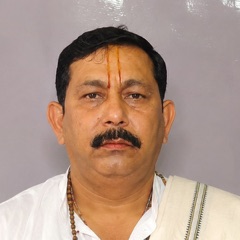
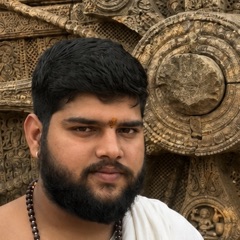
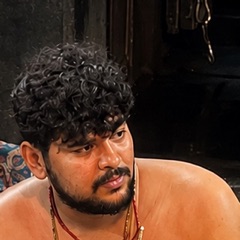
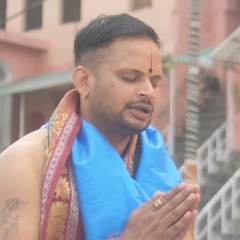
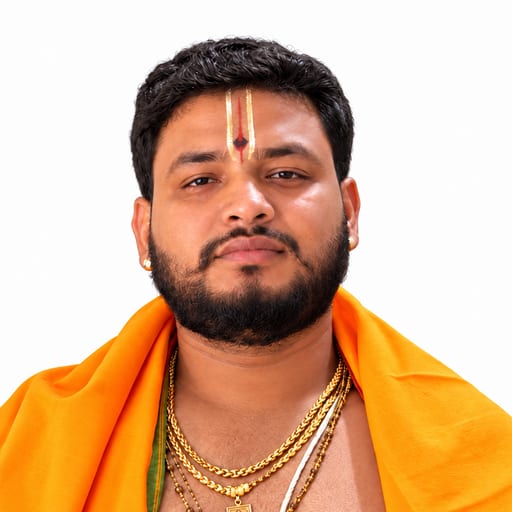
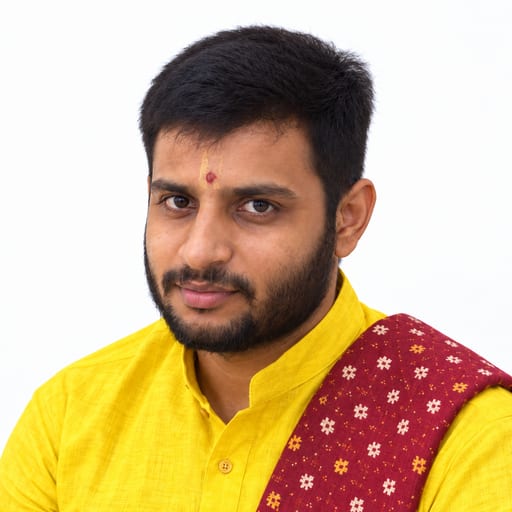
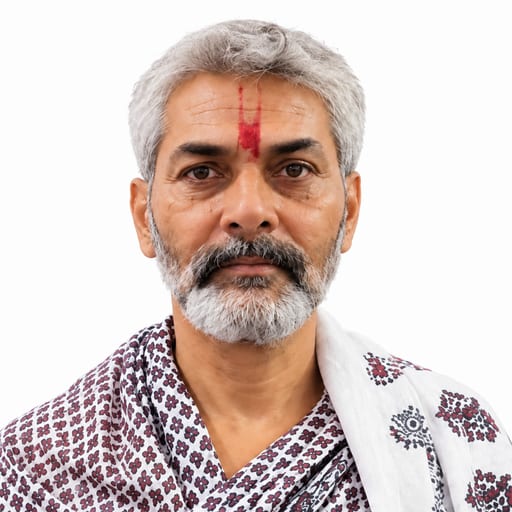
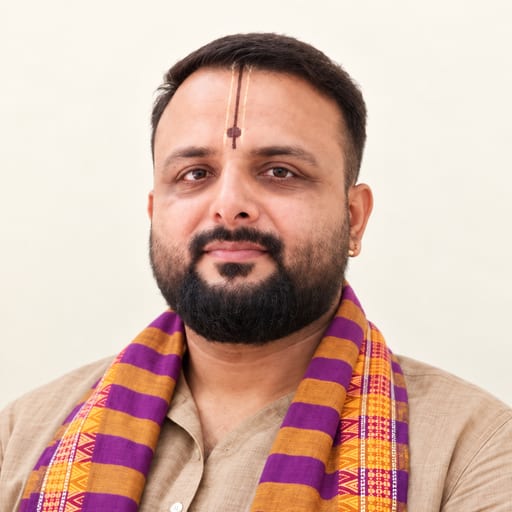
Questions families ask
Frequently asked questions
How do I know whether I actually have kaal sarp dosh?
It is established from the birth chart — whether every graha falls on one side of the Rahu-Ketu axis, whether the yoga is complete or partial, and whether anything in the chart breaks it. Send us the kundli and we will read it and tell you. No charge, no obligation.
Is kaal sarp dosh the same as pitru dosh?
No, and they are constantly confused because both involve Rahu and Ketu. Pitru dosh is a debt of ancestral rites left unperformed, and its remedy is shraddh at Gaya. Kaal sarp is a condition of the chart and has nothing to do with rites owed to ancestors. A family can have one, both, or neither.
Which of the twelve types do I have?
That follows from where the Rahu-Ketu axis sits in your chart, and it is not something to look up from a table. We will tell you when we read it — along with the more useful question, which is whether it is complete and whether it is operative at all.
Is it as serious as I have been told?
Often not. Many charts carry a partial or broken configuration that is described to the family as though it were a complete one. The tradition treats this as a tendency, not a sentence. If you were given a diagnosis together with a price and no explanation of complete versus partial, that is reason enough for a second opinion.
What does it cost?
We confirm the rate after reading the chart, because what the vidhi requires depends on what is actually there. You will have the full figure in writing before you decide anything, and nothing is taken before that.
Start here
Have a question? We're here to explain
You will do this once, for your mother and father. So the full vidhi must be done — never half. We perform every act before you, explaining each step, exactly as the Shastras prescribe. The cost is told to you upfront. First talk to us, then decide.
श्राद्ध केवल श्रद्धा का विषय नहीं।
यदि विधि शास्त्रों के अनुसार न हो, तो श्राद्ध पूर्ण नहीं होता। सच्ची श्रद्धा भी निष्फल रह जाती है।